.png)
The post Make a Trip to Lincoln Park for This Fantastic Wine Festival appeared first on Willow Crossing Blog.
]]>www.eventsinyourcity.com
Lincoln Park Wine Festival
Lincoln Park Wine Festival: Music, Food & More
Jonquil Park (Chicago, IL)
Spring will be in full swing when glorious grapes, great tunes, talented artists and fine food take center stage at the fifth annual Lincoln Park Wine Festival. The tranquil Jonquil Park will again be transformed into an open-air market featuring cutting-edge cuisine and samples of more than 90 varietals, accompanied by the expertise of brand ambassadors and sommeliers. Enhancing the fest will be a live-music lineup, artists' market and wine-related vendors. Tickets include 12 tastings, and Friday night's session focuses on rose and sparkling wines.
Friday, May 17, 2019 / 6:00pm-10:00pm | $35
Saturday, May 18, 2019 / 12:00pm-4:00pm | $35
Saturday, May 18, 2019 / 6:00pm-9:00pm | $35
Sunday, May 19, 2019 / 12:00pm-4:00pm | $35
Like The Chicago Daily Event List for more upcoming events!
You may also like the following events from The Chicago Daily Event List:
- This Sunday, 1st May, 01:00 pm, Only $5 – Booze Your Own Adventure – Drinking Improv Game in Chicago
- This Sunday, 1st May, 05:00 pm, Chicago Cupcakes, Chocolate & Sweets Tour
- Next Tuesday, 3rd May, 04:00 pm, Chicago Cupcakes, Chocolate & Sweets Tour
Also check out other Festivals in Chicago, Music Events in Chicago.
The post Make a Trip to Lincoln Park for This Fantastic Wine Festival appeared first on Willow Crossing Blog.
]]>The post How to Plant and Grow Indoor Vegetable Garden appeared first on Willow Crossing Blog.
]]>No need to worry about seasons or climate, if you are an indoor gardener! Whether you are craving fresh harvests during the winter or live in an area without gardening space, you can grow edibles in your home. Follow these tips to grow vegetables indoors.
Winter always seems to sneak up on me. It’s not until the first snowfall that I consider the growing season over. Up until then, I am still clipping hearty herbs and fall greens. Once the snow falls, I am reminded that soon the ground will be frozen, and the garden covered with a heavy winter blanket.
I start to miss freshly harvested greens quickly. Most years, I have a good supply of fall greens such as lettuce, spinach, chard, kale, pak choi, and other leafy greens to fill the refrigerator before the hard freeze. Some years, I lose my fall greens to the hungry deer as they prepare for winter too.
Since I don’t garden outside during winter, I began experimenting with indoor vegetable gardening. I started with herbs, and then progressed to salad greens and more.
Growing edibles indoors can be a rewarding. It is not difficult to grow a small number of vegetables in an indoor environment of your home, but there are some important things to consider before you get started.
Tips for Indoor Gardening
An indoor vegetable garden provides a weed free, controlled environment that will allow you to grow a variety of edibles. With a little planning and creativity, you’ll have a wide range of veggies at your fingertips this winter. Here are tips to help you create the ideal environment for growing vegetables indoors:
Use Grow Lights
All plants need light for photosynthesis to convert light, oxygen, and water into energy. You’ll want to provide at least 12 hours of supplemental light for your plants each day. While some plants may do ok in natural light from a south-facing window, using artificial lights will help you grow a thriving indoor vegetable garden.
Gather Planting Containers
Choose food safe pots and containers that are large enough to support growth of the plant. You can start seeds in seedling flats, but eventually the plants will need to be repotted into larger containers.
Pots that are 4-inches deep work well for most greens while carrots, and other root vegetables need at least 6 inches. Consider using window boxes, or recycled bakery or produce containers. Poke drainage holes in the bottom to let extra water drain, and use plastic trays beneath containers to catch the water and prevent it from dripping.
Use the Right Potting Mix
Select an organic, all-purpose potting mix for your indoor garden. Start with a fresh potting mix. Don’t use soil from your outdoor garden because it is too compact for containers and may contain pests and disease. A good quality growing medium for container plants is light, fluffy, and drains well.
Look for an all-purpose soilless potting mix that contains peat moss (or coconut coir), vermiculite, and perlite. You can mix your own basic soilless potting mix with this simple formula: 4 parts sphagnum peat moss or coconut coir, 1 part finished compost, 1 part perlite, 1 part vermiculite.
Set Up a Fertilizing Schedule
Indoor plants need supplemental fertilizer in order to grow healthy. Whether you purchase potting soil, or mix your own, eventually, you will need to feed the soil to keep your plants nourished.
If your potting mix contains fertilizer, you won’t have to worry about supplementing nutrients for a little while. However, the fertilizer will diminish over time as the plants use it to grow, and some will wash out of the soil from regular watering.
How to Grow Vegetables Indoors
This post may contain affiliate links, which means that I may receive a commission if you make a purchase using these links. As an Amazon Associate I earn from qualifying purchases.
get my offer

The new Hyundai KONA.
For well-qualified buyers only.
$
500
Bonus
Cash
or up to
1.9
% APR
financing
0 seconds of 15 secondsVolume 0%
No need to worry about seasons or climate, if you are an indoor gardener! Whether you are craving fresh harvests during the winter or live in an area without gardening space, you can grow edibles in your home. Follow these tips to grow vegetables indoors.
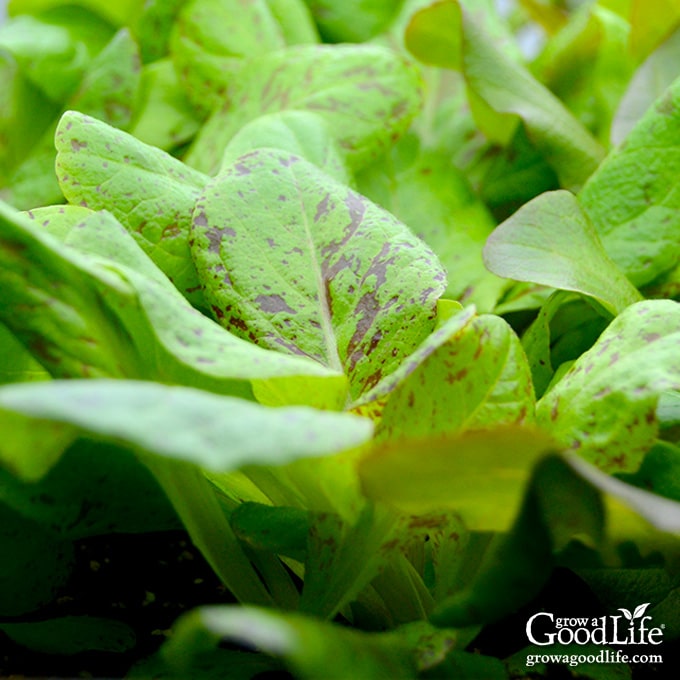
Winter always seems to sneak up on me. It’s not until the first snowfall that I consider the growing season over. Up until then, I am still clipping hearty herbs and fall greens. Once the snow falls, I am reminded that soon the ground will be frozen, and the garden covered with a heavy winter blanket.
I start to miss freshly harvested greens quickly. Most years, I have a good supply of fall greens such as lettuce, spinach, chard, kale, pak choi, and other leafy greens to fill the refrigerator before the hard freeze. Some years, I lose my fall greens to the hungry deer as they prepare for winter too.
Since I don’t garden outside during winter, I began experimenting with indoor vegetable gardening. I started with herbs, and then progressed to salad greens and more.
Growing edibles indoors can be a rewarding. It is not difficult to grow a small number of vegetables in an indoor environment of your home, but there are some important things to consider before you get started.
Tips for Indoor Gardening
An indoor vegetable garden provides a weed free, controlled environment that will allow you to grow a variety of edibles. With a little planning and creativity, you’ll have a wide range of veggies at your fingertips this winter. Here are tips to help you create the ideal environment for growing vegetables indoors:
Use Grow Lights
All plants need light for photosynthesis to convert light, oxygen, and water into energy. You’ll want to provide at least 12 hours of supplemental light for your plants each day. While some plants may do ok in natural light from a south-facing window, using artificial lights will help you grow a thriving indoor vegetable garden.
The article below explains how to set up a simple grow light unit, and choose the right lamps for your indoor garden:
Gather Planting Containers
Choose food safe pots and containers that are large enough to support growth of the plant. You can start seeds in seedling flats, but eventually the plants will need to be repotted into larger containers.
Pots that are 4-inches deep work well for most greens while carrots, and other root vegetables need at least 6 inches. Consider using window boxes, or recycled bakery or produce containers. Poke drainage holes in the bottom to let extra water drain, and use plastic trays beneath containers to catch the water and prevent it from dripping.
Use the Right Potting Mix
Select an organic, all-purpose potting mix for your indoor garden. Start with a fresh potting mix. Don’t use soil from your outdoor garden because it is too compact for containers and may contain pests and disease. A good quality growing medium for container plants is light, fluffy, and drains well.
Look for an all-purpose soilless potting mix that contains peat moss (or coconut coir), vermiculite, and perlite. You can mix your own basic soilless potting mix with this simple formula: 4 parts sphagnum peat moss or coconut coir, 1 part finished compost, 1 part perlite, 1 part vermiculite.
Set Up a Fertilizing Schedule
Indoor plants need supplemental fertilizer in order to grow healthy. Whether you purchase potting soil or mix your own, eventually, you will need to feed the soil to keep your plants nourished.
If your potting mix contains fertilizer, you won’t have to worry about supplementing nutrients for a little while. However, the fertilizer will diminish over time as the plants use it to grow, and some will wash out of the soil from regular watering.
If you make your own potting mix, consider including a slow-release organic granular fertilizer, such as Epsoma Garden-tone to help feed your plants for an extended period of time.
Follow the instructions on the packaging for the proper amounts, and follow up with regular feedings according to the manufacturer’s recommendations. For example, Garden-tone recommends mixing 2 cup of fertilizer with 1 cubic foot of potting soil, and then feed established plants 1 1/2 teaspoon each month.
If you prefer using a liquid fertilizer, you can also fertilize plants with a weak solution of fish emulsion or seaweed fertilizer every two weeks, or when leaves show signs of stress.
The post How to Plant and Grow Indoor Vegetable Garden appeared first on Willow Crossing Blog.
]]>